The Three Colours
Trilogy
Krzysztof Kieślowski's cinematic masterpiece exploring liberty, equality, and fraternity through three interconnected films that define European arthouse cinema.

A Cinematic Exploration of French Ideals
The Three Colours trilogy, directed by Krzysztof Kieślowski, stands as a monumental achievement in European cinema, a profound and visually arresting exploration of the three foundational ideals of the French Republic: liberty, equality, and fraternity [32].
Comprising Three Colours: Blue (1993), Three Colours: White (1994), and Three Colours: Red (1994), the trilogy is not a conventional narrative sequence but a thematic triptych, where each film delves into one of these abstract concepts through the intimate, personal struggles of its protagonists [37].
The films are celebrated for their deep emotional resonance, philosophical depth, and the meticulous craftsmanship of Kieślowski and his key collaborators, including co-writer Krzysztof Piesiewicz and composer Zbigniew Preisner [34].
Concept and Structure
Thematic Foundation
The conceptual framework is rooted in translating the abstract political ideals of the French Revolution—liberté, égalité, fraternité—into deeply personal, contemporary human stories [32].
Each film is named after a color of the French flag and is visually saturated with that color, creating a distinct aesthetic and mood for each installment [32].
Production Timeline
The three films were written, shot, and edited in less than three years, from 1991 to 1994—a remarkable feat of creative energy [34].
This pace allowed Kieślowski to dominate the international art cinema scene in a way few directors have ever achieved.
Network Narrative Approach
The trilogy is characterized by intricate narrative and visual echoes, with characters, objects, and motifs recurring across the three films. This creates a shared universe where protagonists are mysteriously interconnected [37].
Three Colours: Blue (1993) - Liberty

Three Colours: Blue is a deeply moving and visually stunning meditation on the theme of liberty [32].
Julie's Journey
Juliette Binoche delivers a career-defining performance as Julie Vignon, a woman whose life is shattered by a devastating car accident that claims her husband and daughter. In the aftermath, Julie attempts radical freedom: she sells all possessions, destroys her husband's unfinished composition, and retreats to a solitary life in Paris [32].
Thematic Analysis
Kieślowski's exploration suggests that this attempt at emotional detachment is a form of "spiritual suicide," a denial of life itself [32]. True liberty, the film argues, may not be found in isolation but in embracing connections to others.
Visual Motifs
The film's visual language is dominated by strategic use of the color blue, representing overwhelming waves of grief and memory [36]. The swimming pool scenes feature deep, enveloping blue water as a metaphor for the abyss of Julie's grief.
Three Colours: White (1994) - Equality
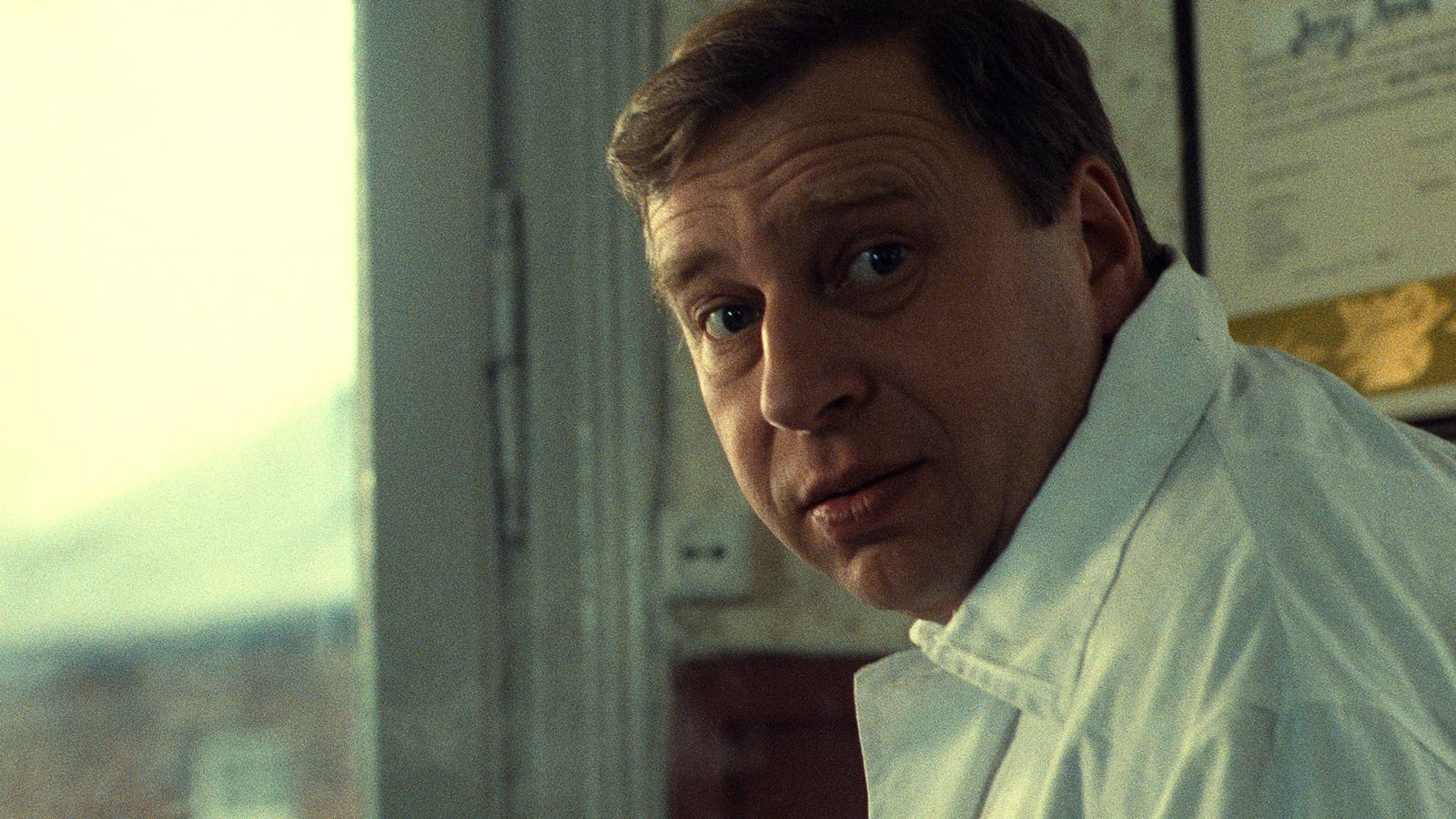
Three Colours: White takes a decidedly different tone, approaching the theme of equality with a dark, satirical edge [32].
Karol's Revenge
The film tells the story of Karol, a Polish immigrant in France whose marriage to Dominique falls apart when he is unable to consummate it. Humiliated and left penniless, Karol returns to Poland, where he embarks on a ruthless quest for wealth and power, driven by revenge [32].
Ironic Exploration of Equality
Kieślowski's treatment is deeply ironic. The film suggests that the pursuit of equality is often a mask for a desire for dominance and control. Karol's journey is a twisted parody of the immigrant success story [21].
Director's Intent: "Black Comedy"
Kieślowski described the film as a "scherzo" or "black comedy," a deliberate shift in mood to explore equality from an ironic perspective [21]. The comedy serves as a tool for subversion, exposing darker aspects of human nature.
Three Colours: Red (1994) - Fraternity

Three Colours: Red, the final and most acclaimed film, is a profound exploration of fraternity [27].
Valentine and the Judge
The story follows Valentine, a young model, who accidentally hits a dog with her car and discovers its owner is a retired judge named Joseph Kern. As she becomes entangled in his life, she learns he is eavesdropping on neighbors' phone conversations [27].
Fraternity and Connection
The film explores the difficulties of communication and loneliness in modern life, while also examining redemption and the power of human connection. The relationship between Valentine and the judge challenges their preconceived notions of love, morality, and human nature [27].
Trilogy's Conclusion
As the final installment, Red brings together themes and characters from previous films. The climactic ferry disaster unites protagonists from all three films, serving as a powerful metaphor for interconnectedness [32].
Krzysztof Kieślowski: The Director's Vision
Krzysztof Kieślowski was a Polish filmmaker celebrated for profound philosophical depth, emotional resonance, and meticulous craftsmanship [36]. He is widely regarded as one of the most important and influential directors in European cinema history.
Polish Roots
Born in Warsaw in 1941, shaped by post-war Poland's political climate
Documentary Beginnings
Started with over 20 documentary shorts before transitioning to features
International Acclaim
Achieved global recognition with The Decalogue and later works
Early Career and Development
Łódź Film School
Kieślowski trained at the prestigious Łódź Film School, gaining entry in 1964 after two previous rejections [35].
Documentary Filmmaking
His early career focused on documentaries, making over 20 shorts and features between 1968 and 1980. Workers '71 was particularly significant, though its heavy censorship convinced him to abandon documentary for fiction [35].
Cinema of Moral Anxiety
He became a leading figure in this Polish movement, with early features like Personnel (1975) and Camera Buff (1979) exploring ethical dilemmas under communism [39].
Major Works Beyond the Trilogy
The Decalogue (1988)

A ten-part television series based on the Ten Commandments, set in a Warsaw housing complex. Widely regarded as a masterpiece of modern television [35].
The series explores moral and ethical dilemmas with intellectual rigor and emotional depth, bringing Kieślowski international acclaim [34].
The Double Life of Véronique (1991)
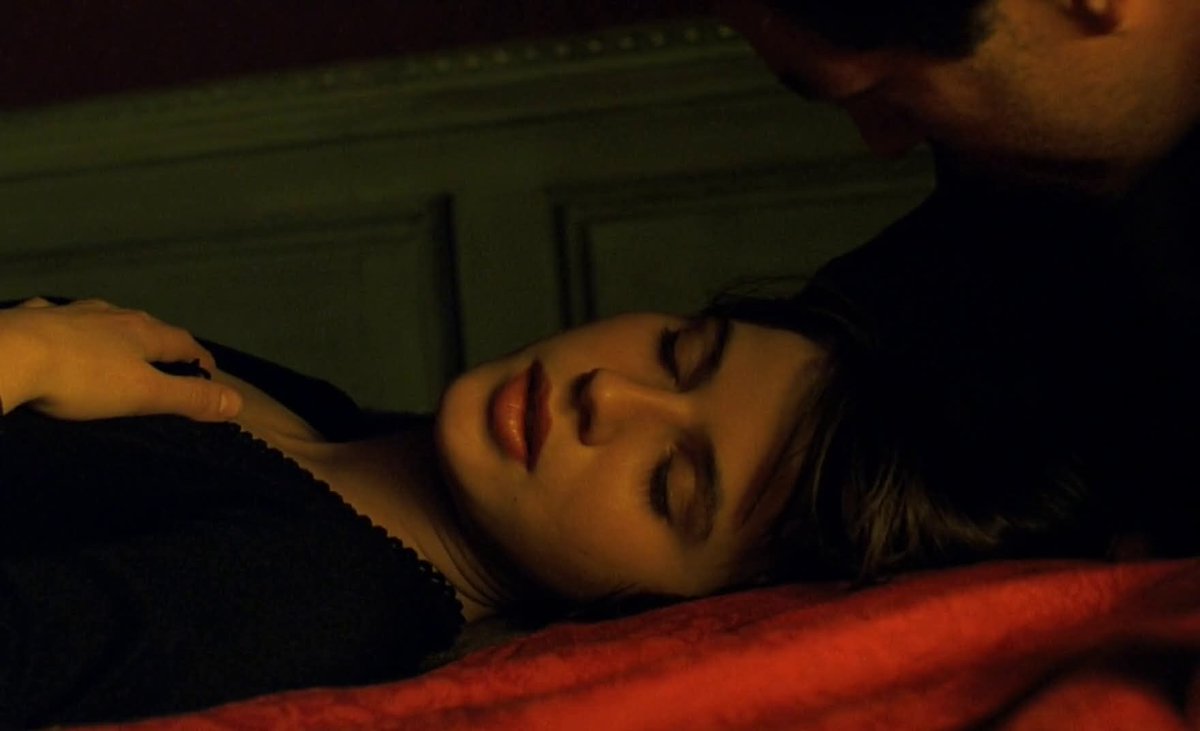
A lyrical exploration of identity and fate, telling the story of two women—one in Poland, one in France—who are mysteriously connected [34].
This film marked Kieślowski's first major international co-production and brought his work to a wider audience [37].
A Short Film About Killing (1988)
A feature-length expansion from The Decalogue, this powerful indictment of capital punishment won the Jury Prize at Cannes and helped abolish the death penalty in Poland [36].
Filmmaking Philosophy and Legacy
Emotional and Spiritual Focus
Kieślowski was deeply interested in the inner lives of his characters, their hopes, fears, and moral struggles. His films dramatize abstract ideas through evocative images and atmospheric music [37].
He described his technique as the "emotional trap"—drawing audiences into characters' emotional worlds before confronting them with difficult moral choices.
Political Stance
Despite dealing with social realities, Kieślowski consistently denied being a political filmmaker, insisting he was interested in people, not politics [33].
He saw politics as background context for personal dramas, believing the most important questions were human rather than political.
Lasting Influence
Kieślowski's influence on arthouse cinema is profound. He helped define international art cinema in the post-Cold War era, inspiring filmmakers like Tom Tykwer and Alejandro González Iñárritu [36].
His "network narrative" approach has become a common trope in film and television, influencing works from Crash to Lost. His collaboration with composer Zbigniew Preisner set new standards for film music [37].
Conclusion
The Three Colours trilogy stands as Krzysztof Kieślowski's final and perhaps most enduring artistic statement. Through these three interconnected films, he created a profound meditation on the French Revolutionary ideals of liberty, equality, and fraternity, transforming abstract political concepts into deeply personal, emotionally resonant stories.
Each film—Blue with its exploration of liberty through grief, White with its ironic take on equality as power struggle, and Red with its hopeful vision of human connection—contributes to a cohesive whole that is greater than the sum of its parts. The intricate web of visual and narrative connections between the films creates a rich, multi-layered cinematic experience that rewards repeated viewing.
Kieślowski's mastery of the medium, his deep empathy for his characters, and his ability to dramatize abstract philosophical ideas through concrete, human stories ensure that the trilogy remains not only a landmark of European cinema but also a work that continues to speak to audiences across cultures and generations.
"Cinema gives us something that will resonate on an emotional and spiritual level."
— Krzysztof Kieślowski
Comments
Post a Comment
Thank you for your comment! We appreciate your thoughts. Please keep your comments respectful and relevant to the topic. Enjoy your time on our blog!